Source Anti UV Anti Oxidant Color Masterbatch for Pipes Films Molding
Compare 30 listings of anti uv anti oxidant color masterbatch from verified Chinese suppliers. Buyers can evaluate grades, carriers, and usage rates for automotive parts, pipes, and film applications; compare the available evidence and request quotations based on your requirements.
Key considerations
Products List


Comprehensive Sourcing Guide
Anti UV Anti Oxidant Color Masterbatch Sourcing Guide
Procuring anti-UV and anti-oxidant color masterbatch requires careful selection of carrier resins that align with your specific molding processes. The observed market data indicates that these granular materials are available with carriers such as PP, PE, ABS, PET, and PS, allowing for versatile integration into automotive parts, wire and cable grades, and electronic components. Buyers must verify that the selected grade matches the intended application, whether it is for film, injection molding, or blow molding, to ensure the additive package functions correctly within the final polymer matrix.
The functional performance of these masterbatches is often defined by their ability to resist environmental degradation while maintaining high flow and impact resistance. Listings highlight features like high crystallinity, wear resistance, and low-temperature resistance, which are critical for outdoor applications exposed to harsh conditions. When sourcing, it is essential to confirm that the specific product offers the necessary UV and aging resistance properties, as these attributes directly influence the longevity and structural integrity of the finished plastic products in sectors ranging from home appliances to sports equipment.
Product Scope and Observed Listing Signals
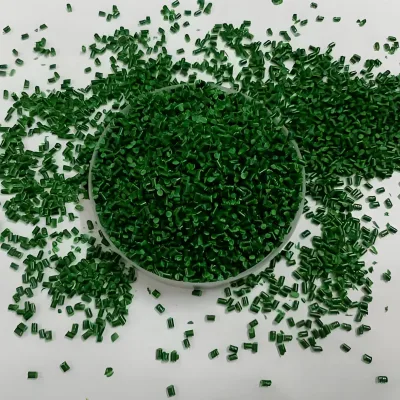
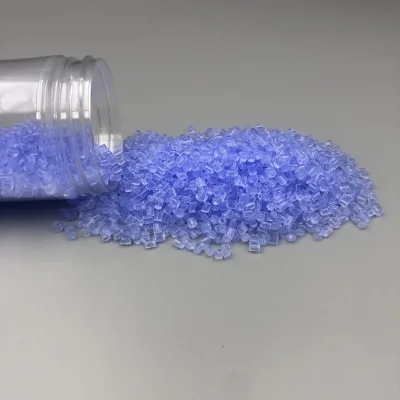
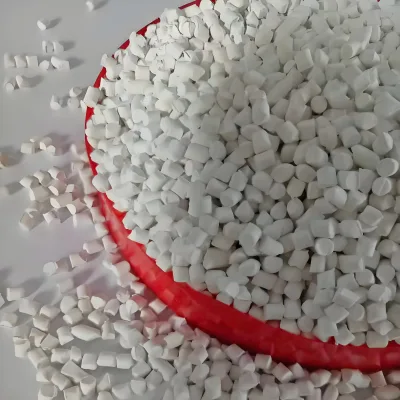
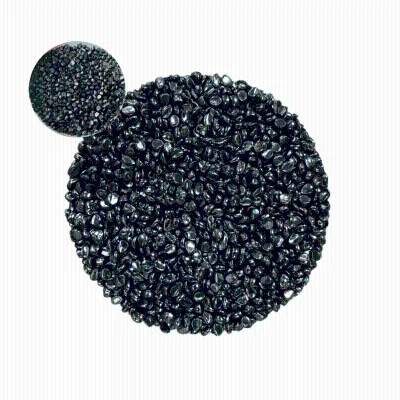
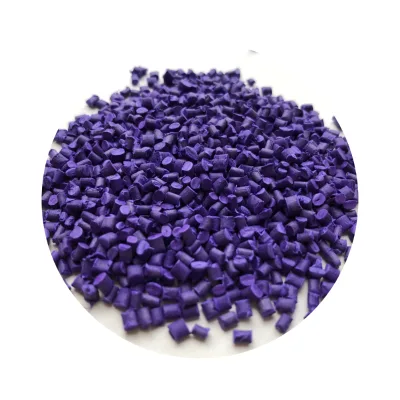
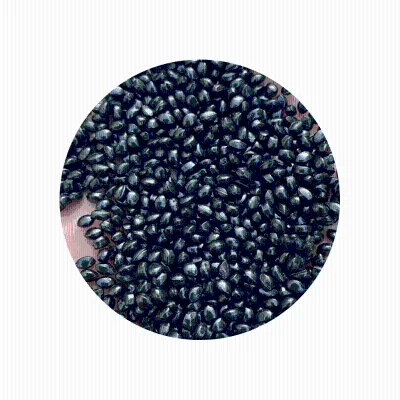
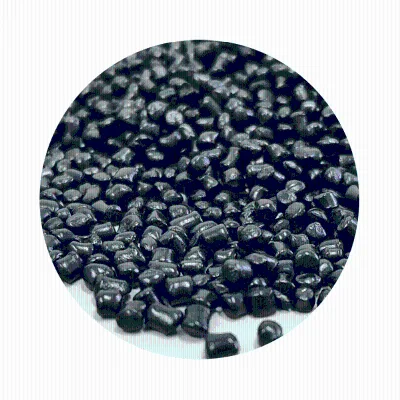
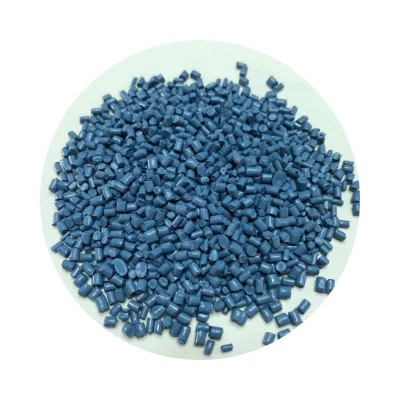
The product scope for color masterbatch in this category spans a wide range of industrial applications, including optical grade materials, pipe grades, and special materials for cast films. Observed listings describe the physical form as small granules or pellets, typically packaged in 25kg bags or customized moisture-proof packaging. The color intensity is often standardized, with some specifications noting a range of 95-105%, ensuring consistent pigmentation across production batches. This consistency is vital for maintaining brand identity and product quality in high-volume manufacturing environments.
Buyers should note that the usage rate for these masterbatches varies significantly, with observed ranges extending from 0.5% up to 70% depending on the desired color depth and material properties. The granular shape facilitates easy handling and uniform dispersion during the extrusion or injection molding process. Additionally, the availability of customizable colors allows manufacturers to meet specific aesthetic requirements without compromising the mechanical properties of the base resin, making these materials suitable for diverse sectors like medical grade components and fiber production.
Technical Specifications to Verify
Technical verification must begin with the carrier resin compatibility, as the masterbatch must melt and disperse seamlessly within the base polymer. Listings confirm carriers such as PP, PE, ABS, and PVC, but buyers must ensure the specific grade matches their processing equipment and temperature profiles. Critical attributes to validate include high flow characteristics, high impact resistance, and specific resistance to hydrolysis or chemical exposure, which are essential for maintaining product performance in demanding environments like automotive under-hood components or outdoor piping systems.
The functional additives, specifically anti-UV and anti-oxidant agents, require precise confirmation to ensure long-term durability. Buyers should request data sheets that detail the chromatic aberration limits, which can be as low as 0.5, and verify the color intensity percentages to guarantee batch-to-batch consistency. Furthermore, the material grade must be explicitly matched to the application, such as extrusion, blown film, or rotational molding, to ensure the masterbatch delivers the required weather resistance and mechanical strength without causing processing defects or surface imperfections.
Compliance and Safety Documentation
Compliance documentation is a non-negotiable aspect of sourcing color masterbatch, particularly for applications in medical, automotive, and consumer goods sectors. The observed market data frequently cites ISO9001 certification, alongside SGS and ROHS compliance, which are critical indicators of a supplier's commitment to quality management and environmental safety. Buyers must request current certificates to verify that the product meets international standards for restricted substances, ensuring the material is safe for use in food-contact applications or sensitive electronic components.
Safety data sheets (SDS) and specific test reports regarding the anti-oxidant and UV-stabilizing properties should be reviewed to confirm regulatory adherence. While some listings mention general certifications, specific test results for migration, toxicity, or flammability are often required for specialized applications like wire and cable grades or medical devices. Procurement teams should ensure that the supplier can provide up-to-date documentation proving the product's compliance with regional regulations, thereby mitigating legal risks and ensuring the safety of the end-user.
Cost Drivers and Commercial Terms
Cost drivers for anti-UV and anti-oxidant color masterbatch are heavily influenced by the complexity of the additive package and the quality of the carrier resin. The observed price range is broad, reflecting differences in formulation sophistication, from standard grades to high-performance variants with enhanced weather resistance. Buyers should analyze the total cost of ownership, considering that higher-quality masterbatches with superior flow and impact resistance may reduce waste and processing defects, ultimately lowering the overall production cost despite a higher unit price.
Commercial terms such as Minimum Order Quantity (MOQ) and lead times vary significantly across suppliers, with observed MOQs ranging from single items to 1000 units. The supply ability, noted in some listings as 80,000 kilograms per day, suggests that large-scale manufacturers can support high-volume demands, but smaller buyers must negotiate flexible terms. Packaging details, such as 25kg bags or customized inner and outer packing, also impact logistics costs, so buyers should factor in shipping and storage requirements when finalizing their procurement strategy.
Supplier Qualification and Quality Control
Supplier qualification should focus on verifying the consistency of their production processes and their ability to maintain strict quality control standards. The presence of ISO9001 certification is a baseline requirement, but buyers must also assess the supplier's track record in delivering consistent color intensity and mechanical properties. It is advisable to request samples for trial runs to evaluate the masterbatch's performance in your specific molding equipment, ensuring that the high flow and wear resistance claims translate into real-world processing efficiency.
Quality control protocols must include rigorous testing of the granular material for uniformity in size and color distribution. Buyers should verify that the supplier conducts regular checks on critical parameters like chromatic aberration and color intensity to prevent batch variations. Additionally, the supplier's ability to provide customized packaging and handle specific grade requirements, such as those for hollow molding or foaming, demonstrates their technical capability and flexibility, which are essential for maintaining a stable supply chain in a competitive market.
Long-Term Procurement Checks
Long-term procurement success depends on establishing a partnership with a supplier who can adapt to evolving material requirements and market demands. Buyers should regularly review the supplier's ability to maintain the specified anti-UV and anti-oxidant performance over time, as environmental regulations and product specifications often change. Continuous communication regarding new formulations or improved grades ensures that your products remain competitive and compliant with the latest industry standards for durability and safety.
Regular audits of the supplier's quality management system and production facilities are essential to verify ongoing compliance with ISO9001 and other relevant standards. Buyers should also monitor the supplier's supply chain resilience, particularly regarding the availability of raw materials and their capacity to meet fluctuating demand. By maintaining a proactive approach to supplier relationship management, organizations can mitigate risks associated with supply disruptions and ensure a steady flow of high-quality color masterbatch for their manufacturing operations.
FAQs
What carrier materials are available for this color masterbatch?
The product supports multiple carrier materials including PP, PE, ABS, PET, and PS. These options allow for compatibility with various plastic processing methods such as injection molding, extrusion, and blow molding. Selecting the correct carrier ensures optimal dispersion and fluidity within the final plastic component during manufacturing.
Can the color be customized for specific branding needs?
Yes, the color is fully customizable to meet specific branding requirements. The product offers a wide range of color intensity options, typically between 95-105%, ensuring accurate shade matching. This flexibility allows manufacturers to achieve precise aesthetic results for automotive parts, optical grades, and other specialized plastic applications.
What certifications does the manufacturer hold for quality assurance?
The manufacturer holds ISO9001 certification, ensuring consistent quality management systems are in place. Some product listings also reference SGS and ROHS compliance, indicating adherence to international safety and environmental standards. These certifications provide buyers with confidence in the reliability and regulatory compliance of the plastic raw material granules.
How is the product packaged for safe transportation?
The product is typically packaged in 25kg bags, utilizing inner plastic bags and outer moisture-proof kraft paper bags for protection. Some variations may use 1.25kg bags or customized packaging solutions. This secure packaging prevents moisture damage and ensures the granular material remains stable and ready for immediate use upon arrival at the facility.
What is the recommended usage percentage for this masterbatch?
The recommended usage percentage generally ranges from 0.5% to 5%, depending on the desired color depth and application. For specific high-intensity requirements, usage can extend up to 70%. This flexibility allows for precise control over the final product's appearance while maintaining the mechanical properties of the base plastic material.
Which plastic processing grades are supported by this material?
The material supports numerous processing grades including injection molding, blow molding, extrusion, blown film, and rotational molding. It is also suitable for spray coating, calendering, and foaming applications. This versatility makes it ideal for producing diverse plastic products such as pipes, automotive parts, and electronic components with consistent quality.